KNOW YOUR VALVES

How Do Heart Valves Keep You Alive?
The heart has four valves that regulate blood flow through the heart and to the rest of the body.
The pulmonary, aortic, mitral, and tricuspid valves work together to ensure blood moves in the right direction with every heartbeat.
Healthy heart valves are essential for a healthy heart and overall well being.
* Disclaimer: Images are for illustration purposes only and may not depict actual patients, medical conditions, or clinical outcomes.
What is a Pulmonary valve?
What is a Pulmonary valve?
What is a Pulmonary valve?
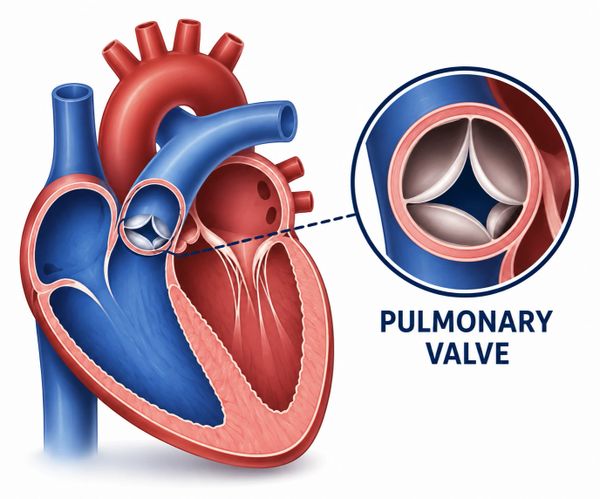
The pulmonary valve is located between the right ventricle and the pulmonary artery, which carries blood from the heart to the lungs for oxygenation.
Pulmonary Stenosis
The pulmonary valve becomes narrowed and does not open fully, making it harder for blood to flow from the heart to the lungs.
Pulmonary Regurgitation
The pulmonary valve does not close properly, allowing blood to leak backward into the right ventricle after each heartbeat.
What is a Mitral valve?
What is a Pulmonary valve?
What is a Pulmonary valve?

The mitral valve ensures blood flows efficiently through the left side of the heart and prevents blood from leaking backward.
Mitral Stenosis
Occurs when the mitral valve becomes narrowed and does not open fully, restricting blood from the left atrium to the left ventricle.
Mitral Regurgitation
Occurs when the mitral valve does not close properly, allowing blood to leak backward into the left atrium with each heartbeat.
What is a Tricuspid Valve?
What is a Tricuspid Valve?
What is a Tricuspid Valve?
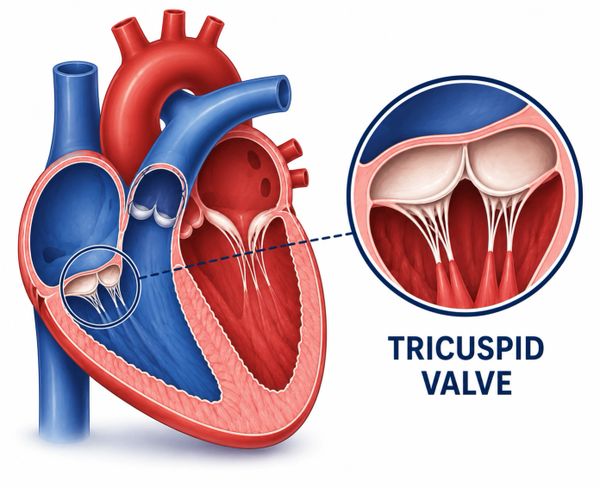
The Tricuspid valve is located between the right atrium and right ventricle and ensures that blood flows in the correct direction through the right side of the heart.
Tricuspid Stenosis
Occurs when the tricuspid valve becomes narrowed and does not open fully, restricting blood flow from the right atrium to the right ventricle.
Tricuspid Regurgitation
Occurs when the tricuspid valve does not close properly, allowing blood to leak backward into the right atrium.
What is an Aortic Valve?
What is a Tricuspid Valve?
What is a Tricuspid Valve?
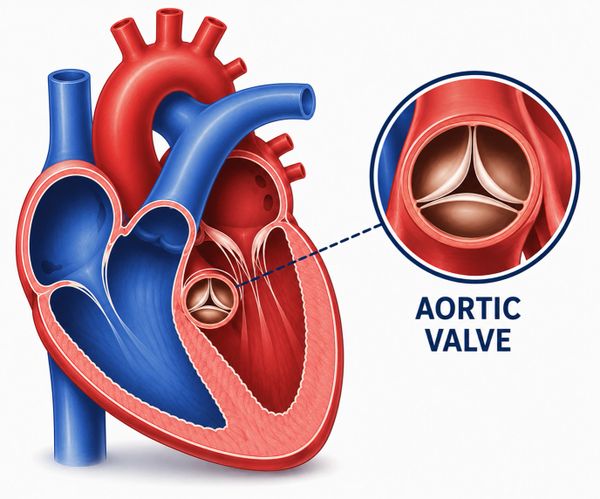
Aortic Valve is located between the left ventricle and the aorta, the body's largest artery. The aortic valve ensures oxygen-rich blood flows efficiently from the heart to the rest of the body.
Aortic Stenosis
Occurs when the aortic valve becomes narrowed and does not open fully, restricting blood flow from the left ventricle to the aorta.
Aortic Regurgitation
Occurs when the aortic valve does not close properly, allowing blood to leak backward into the left ventricle after each heartbeat.

India records approximately 29 lakh (2.9 million) cardiovascular disease (CVD) deaths per year, including heart attacks, strokes, heart failure, and other heart and blood vessel diseases.